
How to Humanize AI in Arabic Text Without AI Detection
AI tools now help many people create Arabic content quickly. Students, bloggers, and marketers use AI to write essays, articles, and posts in Arabic. While AI saves time, it also creates a big problem. Most AI-generated Arabic text sounds robotic, stiff, and unnatural. Readers notice it, and AI detection tools flag it easily.
Many Arabic writers struggle with this issue. Even after editing, the content still looks like machine-written text. This guide explains how to humanize AI in Arabic text using an English rewrite method. You will also learn how tools like Tenorshare AI Bypass help create natural and safe content.
What Does "Humanizing AI in Arabic" Really Mean?
Humanizing AI content means making machine-written text sound like a real person wrote it. When people search for an Arabic humanizer, they want content that feels natural, clear, and human. AI often follows fixed patterns. It repeats words, uses the same sentence length, and lacks emotion. Human writing feels different. It uses varied sentences, clear ideas, and natural flow.

When you humanize AI Arabic text, you do three things:
-
You reduce robotic tone
-
You improve sentence structure
-
You make the text easier to read
Arabic content faces more issues than English. AI models struggle with Arabic grammar, context, and phrasing. As a result, AI detectors flag Arabic text more often. This makes humanize AI Arabic an important task for anyone working with Arabic writing. Rewriting and restructuring help remove these patterns. That is why rewriting plays a key role in how to humanize AI in Arabic text properly.
Common Problems with AI-Generated Arabic Content
AI-generated Arabic content shows clear signs that detectors catch easily. Below are the most common problems writers face.
Robotic Sentence Structure
AI often writes Arabic sentences with the same length and pattern, making the text sound stiff, unnatural, and easy for AI detection tools to identify.
Unnatural Phrasing After Translation
Many AI tools apply English sentence logic to Arabic writing, which creates awkward phrases that native Arabic readers rarely use or trust.
Repetition and Generic Wording
AI-generated Arabic content repeats words and ideas too often, which reduces clarity, lowers content quality, and weakens overall SEO performance.
High AI-Detection Scores
Most AI-written Arabic text triggers high detection scores because of predictable structure, limited variation, and clear machine writing patterns.
Poor Engagement with Human Readers
Readers quickly lose interest when Arabic content feels forced or mechanical, leading to lower reading time and weaker trust in the information provided.
Why Rewriting Arabic Content in English Works Better
Many people ask why English rewriting helps with how to humanize AI in Arabic. The answer is simple. English AI humanizers are more accurate. They understand tone, flow, and sentence variety much better than Arabic tools.
When you rewrite Arabic → English → humanized English:
-
You remove Arabic AI patterns
-
You improve sentence balance
-
You lower AI detection risk
English tools also help preserve meaning while improving clarity. After humanization, you can translate the text back into Arabic if needed.
This method works well for anyone searching how to humanize AI in Arabic online without complex editing.
How to Humanize AI in Arabic Text (Practical Process)
Follow these steps to get the best results:
-
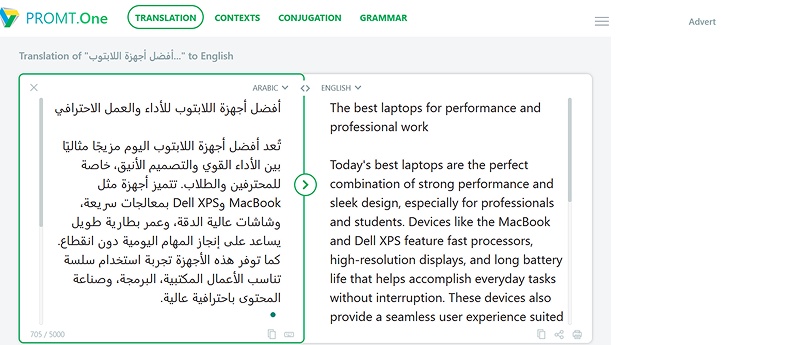
Translate Arabic AI Content into English
Start with a clean and accurate translation. Use a reliable translator. Keep the meaning intact. Avoid adding new ideas at this stage.

-
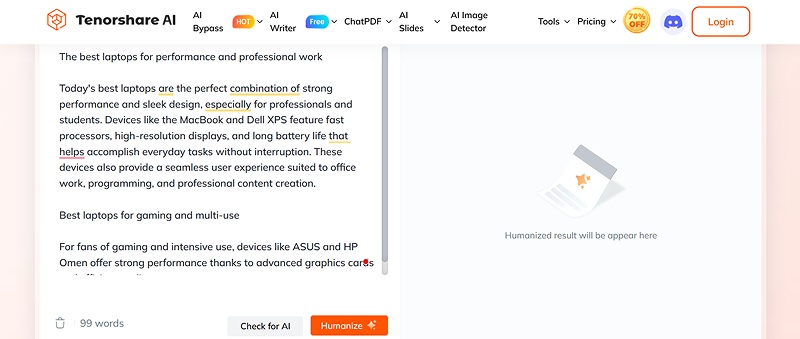
Use an English AI Humanizer
Paste the English text into an English humanizer. This tool rewrites the content with natural flow. It removes robotic tone and repeated phrases. This step plays a key role in how to humanize AI in Arabic for free when you use free versions of English tools.
-
Improve Sentence Flow and Tone
Review the humanized English text. Check clarity. Shorten long sentences. Make sure ideas connect smoothly.
-
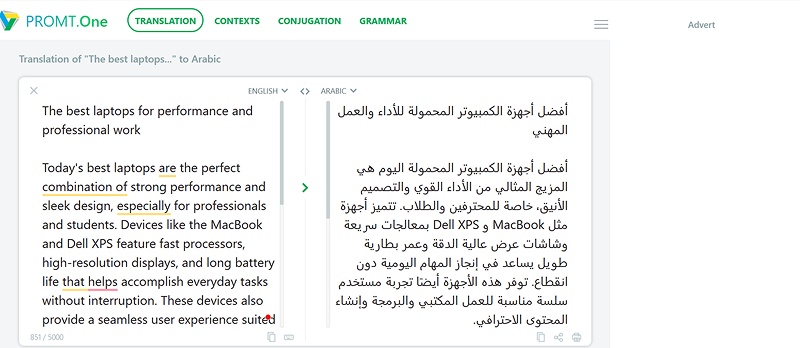
Translate the Humanized Version Back into Arabic
If you need Arabic output, translate the improved English text back into Arabic. The final Arabic version sounds more natural than direct AI output.
-
Review the Final Content
Read the Arabic content carefully. Check meaning, grammar, and flow. Make small edits if needed. This final review ensures clean and readable text.
Transform AI Content into Natural Writing with Tenorshare AI Bypass
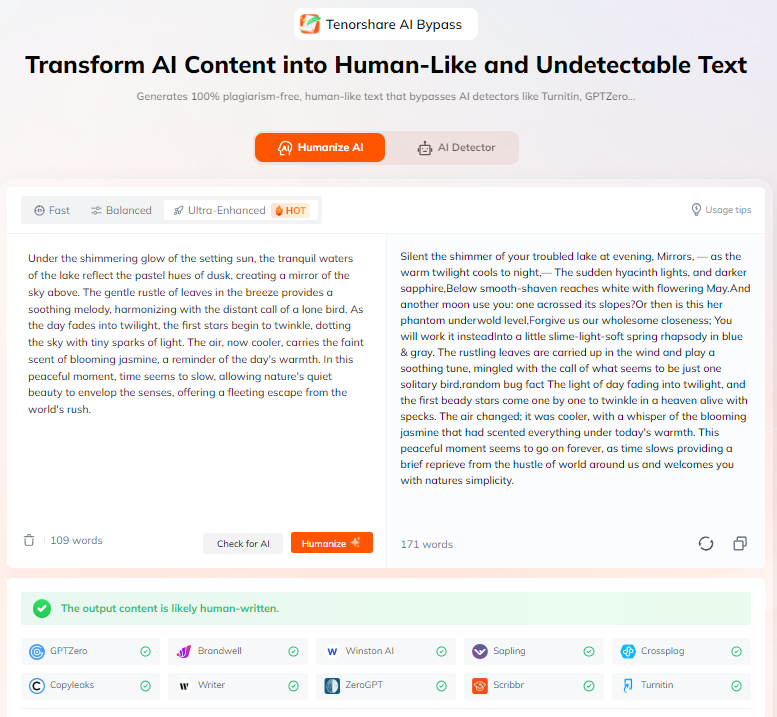
Tenorshare AI Bypass helps users turn AI-written content into natural, human-like text that passes most AI detection tools. Many writers, students, and professionals use AI to save time, but detectors often flag the content. This tool solves that problem by rewriting AI text with real human writing patterns.
It works well when you rewrite Arabic content into English first and then humanize it. Tenorshare AI Bypass improves sentence flow, removes robotic structure, and keeps the original meaning clear. It supports many languages and fits different writing needs, from schoolwork to blog posts and professional documents.
Key Features
-
Rewrites AI-generated text into natural, readable content that sounds human and clear, helping users reduce AI detection issues without spending time on heavy manual editing.
-
Includes a built-in AI detector that checks content against popular detection tools, allowing users to test text safety before submitting or publishing their work.
-
Works well for assignments, research papers, teaching materials, blog articles, and other writing projects where natural tone and originality matter.
-
Users only need to copy and paste text, click once, and receive human-like content within seconds, making the process simple for beginners.
-
Trained on large human-written datasets and supports over 50 languages, helping users rewrite content accurately while keeping meaning and clarity intact.
Conclusion
AI-generated Arabic content often sounds robotic and faces detection issues. These problems affect students, writers, and SEO teams. Many Arabic tools fail to fix these issues fully. Rewriting Arabic AI text into English provides a smart solution. English humanizers work better and help remove machine-like patterns. This method shows how to humanize AI in Arabic in a practical way.
Tenorshare AI Bypass helps create clean, natural English text that you can safely convert back into Arabic. If you want clearer, safer, and more natural results, this method offers a reliable path forward.
FAQs
How to humanize AI in Arabic text effectively?
Translate the Arabic AI text into English, humanize it using an English tool, then review and translate it back to keep the meaning natural and clear.
Can Arabic AI text be humanized using English tools?
Yes, English humanizers handle sentence flow better and help reduce robotic patterns, making Arabic content sound more natural after rewriting.
Is this method safe for AI detection bypass?
This method lowers AI detection risks by removing common AI patterns, but users should always review the final text for clarity and accuracy.
Does rewriting in English change the original meaning?
If you translate carefully and review the content, the original meaning stays the same while the tone and structure improve.
Why use Tenorshare AI Bypass instead of manual editing?
Tenorshare AI Bypass saves time and improves sentence flow while reducing AI patterns that manual editing often fails to remove.

Tenorshare AI Bypass
- Create 100% undetectable human-like content
- Bypass all AI detector tools like GPTZero, ZeroGPT, Copyleaks, etc.
- Original content, free of plagiarism and grammatical errors
- One-click AI bypass with a clean and easy-to-use interface

You Might Also Like
- How to Humanize AI Text Free for Unlimited Words?
- Can Turnitin Detect Humanize AI: Full Test in 2026
- How to Humanize AI Text in Malay Online Free 2026
- How to Humanize AI Content in ChatGPT-5: 9 Ways to Make ChatGPT-5 Content Sound Humann
- How to Bypass Winston AI Detector (Free & Effective Ways in 2026)
- How to Bypass Copyleaks AI Detector: Ultimate Guide for 2026

Tenorshare AI Bypass: 100% Bypass AI Detection
Turn AI text into undetectable, human-like content.AI Humanizer, 100% Undetectable
Humanize AI text instantly.
Tenorshare AI Bypass: 100% Bypass AI Detection